Waikiki Beach is among the most photographed shorelines in the world, and for good reason. The gentle waves, the backdrop of Diamond Head, and the warm, clear water draw millions of visitors every year. Yet the beach is not a single uniform stretch of sand, and first-time visitors often misunderstand where to swim, where to learn to surf, and how to enjoy the water safely. This guide offers an honest, practical look at Waikiki’s famous beach so you can make the most of your time in the ocean.
Waikiki Is Many Beaches, Not One
What people call Waikiki Beach is actually a series of connected sections, each with its own character. The western end near the lagoon offers calm, protected water ideal for families and young children. The central stretch in front of the historic hotels is the widest and busiest, full of swimmers, surfers, and outrigger canoes. Moving east, the beach narrows and grows quieter, with rockier areas and stronger appeal for those seeking a calmer scene. Understanding that these sections differ helps you pick the right spot for your group rather than wandering into water that does not suit your comfort level.
Swimming Conditions and What to Expect
Waikiki is generally known for gentle conditions, which is precisely why it became a cradle of recreational surfing and a beginner-friendly beach. The water is warm year-round, and the gradual slope of the sandy bottom in many areas makes wading and swimming comfortable. That said, conditions are never entirely uniform. Some sections have submerged rocks or coral that can scrape unwary feet, and surf can pick up depending on the season and weather. Always take a moment to observe the water before plunging in, watch where other swimmers are, and pay attention to any posted signs or flags indicating hazards.
Learning to Surf Where the Sport Was Born
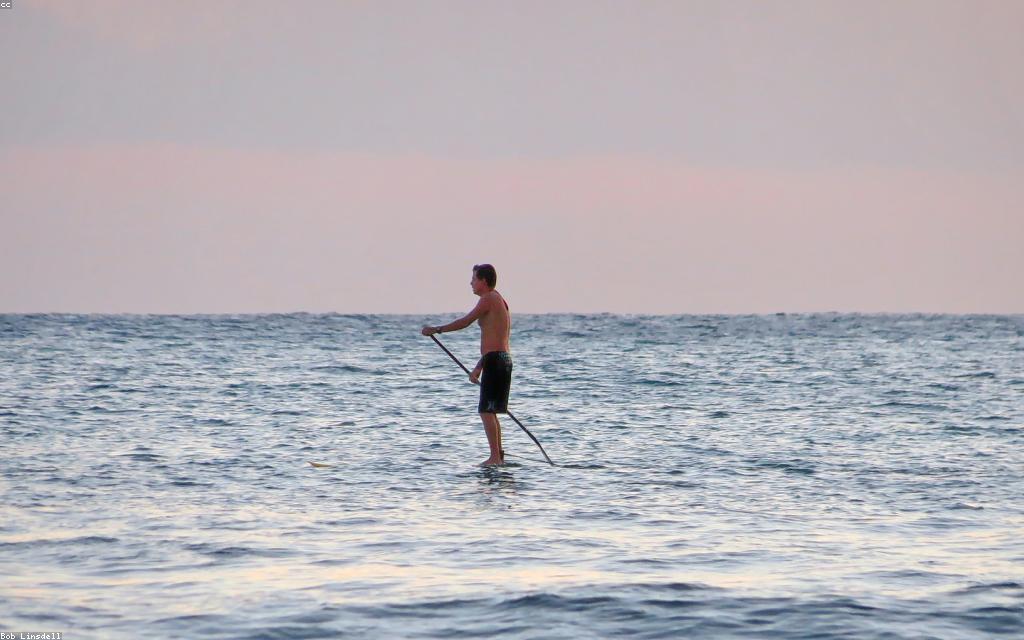
Waikiki holds a special place in surfing history, and its long, rolling waves are forgiving for beginners. The central beach is dotted with surf schools and instructors who can have first-timers standing up on a board within a single lesson. The waves here break gently and far from shore, giving learners a long, manageable ride. If surfing is on your list, this is one of the best places in the world to try it for the first time. Stand-up paddleboarding and outrigger canoe rides are equally accessible and offer a different way to experience the same beautiful water.
Sun Safety in the Hawaiian Climate
The tropical sun in Hawaii is stronger than many visitors expect, and sunburn can ruin a vacation within hours. Protecting your skin is not optional, and a few habits make a real difference:
- Apply reef-safe sunscreen generously and reapply often, especially after swimming.
- Seek shade during the most intense midday hours when the sun is directly overhead.
- Wear a hat, sunglasses, and a rash guard or light shirt for extended water time.
- Remember that you can burn even on overcast days, since clouds do not block all the rays.
- Stay hydrated, because the heat and salt water draw moisture from your body faster than you notice.
Choosing reef-safe products also helps protect the marine environment that makes these waters so beautiful in the first place.
Respecting the Ocean and Marine Life
The waters around Waikiki are home to fish, sea turtles, and coral, and treating them with respect is both an ethical and practical matter. Hawaiian green sea turtles, known locally as honu, are protected, and visitors should observe them from a distance without touching or chasing. Coral is a living organism easily damaged by careless feet or hands, so avoid standing on it. Snorkeling near the reefs can be rewarding, but go gently and keep your distance from the marine life. The ocean here is a shared treasure, and small acts of care from each visitor add up to its preservation.
Practical Beach Logistics
A comfortable beach day depends on a few logistics that are easy to overlook. Public beach access points exist throughout Waikiki, and the sand itself is open to everyone, even in front of the grand hotels. Beach gear rentals, from chairs to umbrellas to boards, are widely available along the shore. Showers and restrooms are positioned at intervals, useful for rinsing off salt and sand before heading back to your hotel. Lockers and secure storage are worth seeking out, since leaving valuables unattended on the sand is never wise. Arriving earlier in the day rewards you with more space, easier parking if you drove, and calmer crowds.
Timing Your Beach Days
The rhythm of the beach changes through the day, and choosing your timing shapes the experience. Mornings tend to be calmer, cooler, and less crowded, making them ideal for swimming and surf lessons. Midday brings the strongest sun and the biggest crowds, so it is a sensible time to break for lunch or shade. Late afternoon and the approach to sunset bring softer light, a relaxed atmosphere, and some of the most beautiful views as the sky shifts colors over the water. Many visitors find that bookending their day at the beach with quieter morning and evening sessions, while escaping the harsh midday hours, gives them the best of Waikiki’s shoreline.
Making the Beach Your Own
Waikiki Beach can feel overwhelming on a first visit, with its crowds and its many activities competing for attention. The secret is to slow down, explore its different sections, and find the spot and the time of day that suit you. Whether you come to learn to surf, float lazily in warm water, watch the sunset, or simply sit with your feet in the sand and Diamond Head in view, this storied beach has room for the kind of day you want. Approach it with a little knowledge and a lot of respect, and it will reward you generously.