Cooking in Your Room: Making a Kitchenette Work on a Waikiki Trip

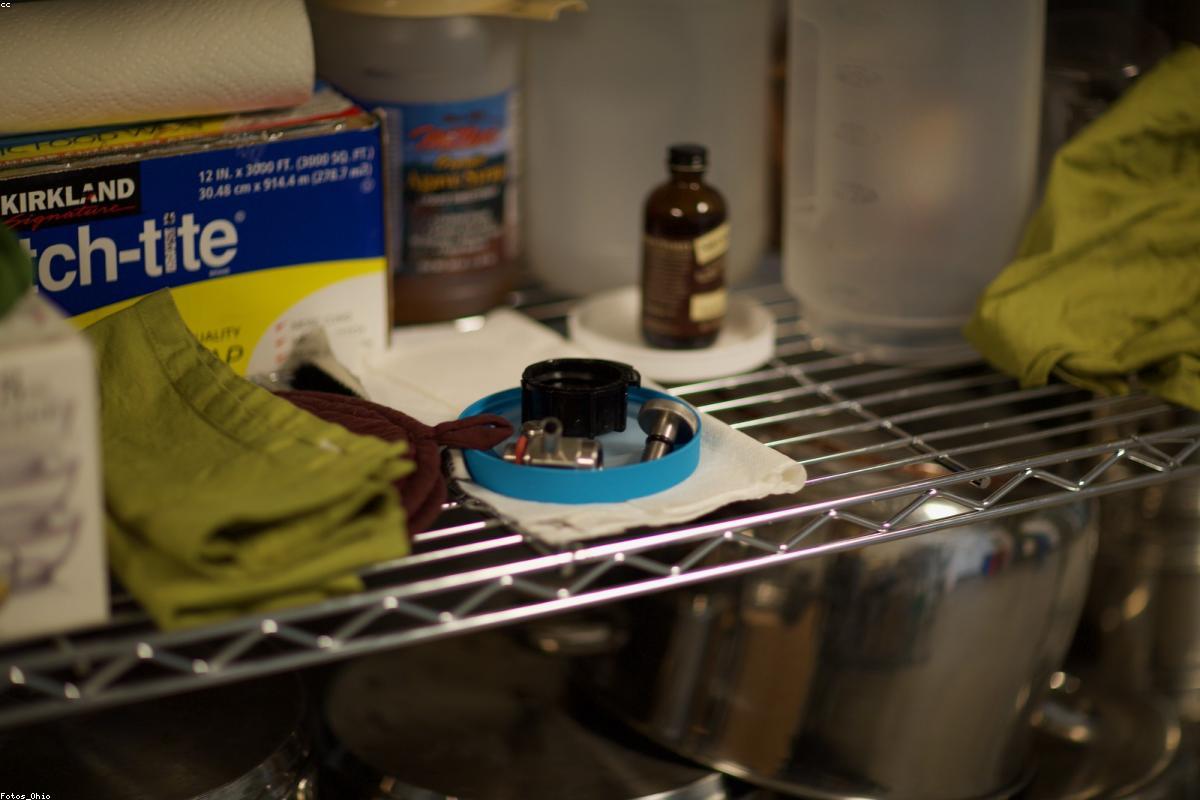
One of the quiet advantages of an older Waikiki hotel is something you barely notice in the listing photos: a small kitchenette tucked into the corner of the room. A compact refrigerator, a two-burner cooktop or a microwave, a sink, a few pots, and enough counter space to make a sandwich. It looks unremarkable, and many travelers ignore it entirely. But over a week in one of the most expensive food markets in the United States, that little corner can reshape both your budget and the rhythm of your days. Learning to use it well is one of the highest-return skills a Waikiki visitor can develop.

Why a kitchenette matters more in Waikiki than almost anywhere

Food in Waikiki is priced for a captive audience. Because nearly everything is imported by ship or air, groceries already cost noticeably more than on the mainland, and restaurants along the main strip add a further premium for location. A family of four can easily spend more on three restaurant meals a day than on the hotel room itself. Breakfast is the worst offender: a plate of eggs, coffee, and juice for two people at a resort cafe can cost as much as a bag of groceries that would cover breakfast for a week.

A kitchenette lets you opt out of the meals where eating out adds the least value. Nobody flies to Hawaii for hotel-lobby scrambled eggs, and few people treasure the memory of a mediocre eleven-dollar bowl of cereal. Those are exactly the meals worth making yourself, so you can spend freely on the ones that matter: the poke counter, the shave ice, the sunset dinner with your feet near the sand. The kitchenette is not about eating cheaply everywhere. It is about choosing where your food money goes.

Where to shop for groceries in and around Waikiki

Waikiki itself has limited full-size grocery options, so knowing where to shop saves both money and time. A few reliable categories exist within easy reach:

  • Convenience and sundry stores scattered throughout Waikiki carry snacks, drinks, and basics at premium prices; use them for a forgotten item, not a real shop.
  • A mid-size grocery store on the edge of Waikiki offers a proper selection of produce, dairy, bread, and local staples at fairer prices, usually within a ten to fifteen minute walk from most hotels.
  • Larger supermarkets and warehouse stores a short bus or rideshare trip away, in neighborhoods like Ala Moana or Kaimuki, have the widest selection and the lowest prices if you are stocking up for a longer stay.

A practical approach is to make one larger trip at the start of your stay to buy breakfast items, drinks, snacks, and a few dinner components, then top up with small walks as needed. Bring a foldable bag, because you will be carrying everything back yourself, and buy only what your small refrigerator can actually hold.

What is genuinely worth cooking, and what isn’t

A two-burner cooktop and a microwave are not a full kitchen, and trying to cook ambitious meals in a hotel room usually ends in frustration and a lingering smell. The trick is to match your menu to the equipment. Breakfast is the easy win: coffee brewed in the room, fresh local fruit, yogurt, bread or pastries from a bakery, and eggs if you have a pan. You can be fed and out the door before the resort cafe has even seated its first table.

Lunch is often better bought outside, because you are usually away from the room in the middle of the day anyway. For dinner, aim for assembly rather than cooking. Rotisserie chicken from a supermarket, a bagged salad, and a loaf of bread make a satisfying meal with no real cooking. Local plate-lunch components, pre-marinated proteins, and fresh poke can be reheated or served straight from the container. Rice cooks easily if the room has a rice cooker, and many local shoppers consider it the single most useful appliance to have. Save the actual pan-and-burner cooking for simple things: eggs, a quick stir-fry of pre-cut vegetables, or reheating leftovers from a restaurant meal that was too large to finish.

The hidden costs and small courtesies

Self-catering has a few traps worth anticipating. The refrigerators in older rooms are small and sometimes weak, so do not buy more perishable food than you can keep genuinely cold. Check whether the room provides dish soap, a sponge, and enough cookware before you plan a meal, and ask the front desk if anything is missing rather than assuming. Ventilation is limited, so avoid frying fish or anything with a strong odor that will hang in a small room for hours and follow you to bed.

There is also a matter of courtesy and rules. Some properties restrict certain appliances for fire-safety reasons, so do not bring your own hot plate without checking. Clean as you go, because a kitchenette with no dishwasher becomes unpleasant quickly, and take your recycling and trash to the proper bins rather than overflowing the small in-room can. Treating the kitchenette with the same care you would your own kitchen keeps it usable for your whole stay and for the guests who follow you.

Building a simple stock list before you arrive

The travelers who get the most from a kitchenette tend to plan a rough shopping list before they land, so their first grocery trip is efficient rather than a wandering guess. A sensible starter list for a week might include coffee and filters or a jar of instant, a carton of local milk or a plant alternative, eggs, bread, a few pieces of fruit, yogurt, snacks for the beach, bottled or refillable water, and one or two easy dinner kits. Add a small bottle of cooking oil, salt, and any condiment you cannot live without, since buying these full-size for a single week is wasteful; buy the smallest sizes available.

Think of the kitchenette as a tool for flexibility rather than an obligation to cook. Some mornings you will still want to walk out for a proper breakfast, and some nights you will happily spend on a restaurant you have been looking forward to. But on the ordinary days in between, having coffee brewing while you watch the light come up over the courtyard, and being able to feed hungry children without a thirty-minute wait and a large bill, changes the whole tenor of a trip. Used thoughtfully, that small corner of the room is one of the most valuable amenities a Waikiki hotel can offer, and one of the easiest to overlook.
The Short Walk to the Sand: Beach Access From Waikiki’s Side Streets

Not every Waikiki hotel sits directly on the sand, and the ones that do charge a steep premium for the privilege. Most visitors stay a block or two inland, on one of the quieter side streets that run between the main avenues, and walk to the beach each day. That short walk is one of the defining rhythms of a Waikiki holiday, and it is worth understanding before you arrive: how long it really takes, which routes and beach entrances are best, and how to time your comings and goings so the daily trek stays a pleasure rather than a chore.

How far “a short walk from the beach” really is

Waikiki is compact, and that works in your favor. From most side-street hotels, the sand is a genuine five to ten minute walk, flat the entire way, with no hills or difficult crossings. The distance is short enough that you can go back to your room in the middle of the day for lunch, a shower, or a rest, which is one of the underrated advantages of staying near the beach rather than trying to camp on it from dawn to dusk.

That said, “a short walk” covers a range, and the details matter. A hotel two blocks back on a calm residential street can feel closer and more pleasant than one that is technically nearer but requires crossing the busiest stretch of the main avenue at a crowded intersection. When you picture the walk, think less about the raw distance and more about what you pass through: whether you are strolling under shade trees on a quiet street or weaving through dense pedestrian traffic past shops and tour hawkers. Both get you to the water in about the same time, but they feel completely different.

Choosing your beach entrance

Waikiki Beach is not one beach but a series of connected stretches, each with its own character and its own access points. Where you enter shapes your whole day, so it pays to experiment in the first day or two rather than defaulting to the nearest gap in the buildings.

  • The central, most famous stretches are also the most crowded, with calm water behind offshore breakwaters that is ideal for young children and nervous swimmers, but with towels packed tightly by mid-morning.
  • The wider stretches toward the park end tend to have more room to spread out, grassy areas with shade, and easier access to restrooms, showers, and picnic space.
  • The stretches near the harbor and the far end offer calmer, shallower lagoon-style water and are popular with families, though they can be busy with a different crowd.
  • Quieter pockets exist between the marquee sections, and finding the one that suits you is largely a matter of walking a little farther than everyone else.

Public access to the beach is guaranteed all along the shoreline, even where hotels front the sand, so you are never required to walk through a resort lobby or pay to reach the water. Look for the marked public right-of-way paths that thread between beachfront buildings; they are easy to miss the first time and obvious once you know to look for them.

Timing your day around the crowds and the sun

The single biggest lever you control is when you go. Waikiki Beach in the late morning and early afternoon is at its most crowded, hottest, and hardest to find space on. The same beach at seven in the morning is a different world: cool, uncrowded, and quiet enough to hear the water. Early risers get the best of Waikiki, and staying a short walk away makes an early start almost effortless because you can roll out of bed and be on the sand in minutes.

Late afternoon offers a second window. As the day-trippers and cruise passengers thin out, the light turns golden, the heat eases, and the sunset crowd has a completely different, more relaxed mood. If you stay near the beach, you can go back to your room during the harsh midday hours, avoid the worst of the sun, and return refreshed for the best light of the day. Visitors who try to occupy a single patch of sand from morning to evening tend to end up sunburned and tired; those who treat the beach as somewhere they visit two or three times a day, made possible by a short walk, enjoy it far more.

Making the walk easy on yourself

A few small habits turn the daily beach walk from a minor hassle into part of the fun. Keep a dedicated beach bag packed and ready by the door so leaving is a thirty-second decision rather than a hunt for sunscreen and a towel. Wear sandals you can slip on and off, since sand and closed shoes are a poor match. Carry a refillable water bottle, because buying drinks beachside is both expensive and a small errand you can avoid.

Think, too, about the walk back. You will return sandy, damp, and often tired, so rinse off at one of the public beach showers before heading in, both as a courtesy to your hotel and because tracked-in sand is miserable to live with. Many hotels a block off the beach provide beach towels, chairs, or even coolers, so ask at the front desk rather than lugging your own from home. And note the nearest public restrooms and outdoor showers on your route, since knowing where they are removes a lot of small friction from a day at the beach.

The quiet case for staying a block back

It is tempting to believe that only a beachfront room delivers the real Waikiki experience, but the daily walk from a side street has genuine advantages beyond the lower price. You get quieter nights away from the beachfront bars, you pass local shops and restaurants you would never see from a tower balcony, and the short stroll to the water becomes a small ritual that bookends each day. You also gain flexibility, because the beach is close enough to visit on a whim yet far enough that your room stays a calm retreat from it.

Understood properly, the walk to the sand is not a compromise you tolerate for a cheaper room. It is part of the texture of a Waikiki holiday: the smell of plumeria on a shaded side street in the morning, the anticipation as you reach the last building and the ocean opens up ahead, and the pleasant tiredness of the walk home as the light fades. Stay a block or two back, learn your favorite route and entrance, time your visits around the crowds, and that short walk becomes one of the parts of the trip you remember most fondly.

Reading Waikiki’s Seasons: Weather, Crowds, and the Best Time to Visit

People often assume Hawaii has no seasons, that every day in Waikiki is interchangeable sunshine at eighty-two degrees. The temperature part is nearly true, but the assumption hides real differences that affect what a trip costs, how crowded the beach feels, and even which side of the island you should plan to visit. Waikiki has a rhythm across the year, driven by weather patterns, school calendars, and travel demand, and understanding it is one of the most useful things a first-time visitor can do before booking flights and a hotel.

The two seasons Waikiki actually has

Hawaii’s climate is best understood as two loose seasons rather than four. The drier season runs roughly from late spring through early fall, and the wetter season runs through the winter months. On the leeward Waikiki side of Oahu, both seasons are warm and mostly sunny, with daytime highs hovering in the low to mid eighties year-round and ocean temperatures that stay comfortable for swimming in every month.

The difference is mainly in rain and surf. Winter brings more frequent passing showers, though these are often brief and localized, sweeping through and clearing within the hour rather than settling in for the day. Winter is also when the famous large surf arrives on the north-facing shores of the island, drawing surfers and spectators to the North Shore while Waikiki’s south-facing beaches stay relatively calm. Summer flips this: the south shore, including Waikiki, sees its own gentle summer swells that are perfect for beginner surfers and longboarders, while the North Shore lies flat. Neither season is better in the abstract; they simply suit different trips.

When the crowds come, and when they thin

Weather matters, but demand shapes the experience just as much, and demand follows the calendar of the places visitors come from. Three periods reliably fill Waikiki and push prices up:

  • The winter holidays from mid-December through early January, when mainland and international travelers escape the cold and rates reach their annual peak.
  • The summer school break from roughly mid-June through August, when families travel and the beaches are at their busiest.
  • Shorter spikes around spring break, major holiday weekends, and large events or conventions that periodically book out big blocks of rooms.

Between these peaks lie the shoulder seasons that experienced visitors quietly prefer. Late April into May, and again from September into early December before the holidays, tend to offer the best balance of good weather, thinner crowds, and softer prices. In these windows the beach has room to breathe, restaurant waits are shorter, and the same hotel room can cost noticeably less than it does in peak weeks. If your schedule allows flexibility, aiming for a shoulder month is the single most effective way to improve both the value and the feel of a Waikiki trip.

How the season changes what you do

The season should shape your itinerary, not just your packing list. A winter visitor has a spectacular option a summer visitor does not: driving to the North Shore to watch world-class waves break, an experience that is genuinely awe-inspiring even if you never touch the water. Winter is also whale season, when humpbacks migrate through Hawaiian waters and boat tours have a strong chance of sightings, something entirely absent in summer.

A summer visitor, by contrast, gets calmer, warmer water on nearly every shore, which opens up snorkeling spots and beaches that winter surf can make rough or unsafe. Summer’s gentle south-shore swell is ideal for learning to surf right off Waikiki, where the beginner breaks are famous for a reason. The lesson is to plan the water activities that match your season rather than fighting it: chase big-wave spectating and whales in winter, and prioritize snorkeling, calm-water swimming, and beginner surfing in summer.

Reading a Waikiki day, hour by hour

Beyond the yearly cycle, each Waikiki day has a reliable pattern worth planning around. Mornings are typically the clearest and calmest, which is why early is the best time for the beach, for snorkeling, and for photos. Clouds tend to build over the mountains as the day warms, and any rain is more likely in the afternoon, often as a brief shower rather than a washout. Trade winds usually pick up through the day, cooling things pleasantly but also churning the water and kicking up chop by afternoon.

This daily rhythm rewards early risers and punishes those who treat vacation as a reason to sleep until eleven. The visitor who is on the beach by seven or eight gets glassy water, easy parking, cool air, and space to spread out; the one who arrives at noon gets crowds, heat, wind, and the day’s best chance of a passing shower. You do not need to structure every hour, but simply front-loading your outdoor plans into the morning will consistently give you the better version of Waikiki.

Practical planning takeaways

A few concrete conclusions follow from all of this. If your priority is value and elbow room, target the shoulder months and avoid the winter holidays and mid-summer if you possibly can. If specific experiences matter more than price, let them dictate your timing: winter for big surf and whales, summer for calm water and learning to surf. Whenever you go, pack for warm days and cooler, breezier evenings, bring a light rain layer even in the dry season, and never assume a passing shower means a ruined day, because Waikiki sun usually returns quickly.

Above all, resist the idea that Hawaii is weatherless and interchangeable across the year. The temperature may barely move, but the surf, the crowds, the prices, and the available adventures shift meaningfully from season to season and even from morning to afternoon. A visitor who understands that rhythm books at the right time, stays on the right side of the island for the right activities, and structures each day to catch Waikiki at its best. That knowledge costs nothing and consistently produces a better, cheaper, and more relaxed trip than simply showing up and hoping every day is the same.

How to Read a Waikiki Hotel Listing and Avoid Costly Surprises

Booking a hotel in Waikiki can feel deceptively simple until the total appears at checkout and you discover it is far higher than the nightly rate that drew you in. The vocabulary used in hotel listings is carefully chosen to sound appealing, and learning to translate it into reality is one of the most valuable skills a Hawaii traveler can develop. This guide walks through the language, the hidden fees, and the small details that separate a satisfying stay from a regrettable one.

The Truth About View Categories

View descriptions are where listings stretch the truth most often. In Waikiki, where towers stand close together, the difference between categories is real money. An “ocean view” room genuinely faces the water, though it may be at an angle. A “partial ocean view” or “ocean glimpse” can mean you see a strip of blue if you press your face to the window and look sideways past a neighboring building. “City view” or “mountain view” rooms face inland, sometimes overlooking the canal or rooftops. None of these are inherently bad, but you should know what you are paying for. If a view is important to you, look for verified guest photos rather than the polished marketing shots, which are often taken from the highest, best-positioned suites.

Resort Fees and the Real Nightly Cost

The single biggest surprise for many Waikiki visitors is the resort fee, a daily charge added on top of the advertised rate. These fees commonly cover items like internet access, local phone calls, beach towels, fitness facilities, and sometimes a few cultural activities. The problem is that they are mandatory whether or not you use any of those amenities, and they are frequently not included in the headline price. When comparing hotels, always add the resort fee and applicable taxes to the nightly rate before deciding which is cheaper. A room advertised at a lower rate can easily end up costing more once a steep resort fee is layered on.

Decoding Room Descriptions

Room descriptions contain useful clues if you read them carefully. Words like “cozy,” “efficient,” or “classic” often signal a smaller or older room. “Newly renovated” suggests recent updates, though it rarely tells you which year. Bed configuration matters enormously and is sometimes vague, so confirm whether “two beds” means two doubles or two queens, especially if you are traveling with family. Watch for the word “runof house,” which means the hotel assigns you any available room in a category at check-in, giving you no control over floor or exact position. Pay attention to whether a balcony, called a lanai in Hawaii, is included, since open-air space is a genuine pleasure in this climate.

Cancellation Policies Worth Reading

The cheapest rate is frequently a non-refundable one, and it is easy to click past the fine print in the excitement of planning. Before you commit, understand exactly what you are agreeing to. Consider these common scenarios:

  • Fully refundable rates cost more but let you cancel up to a stated deadline, often a few days before arrival.
  • Non-refundable rates lock in your money the moment you book, with no recourse if plans change.
  • Some rates require full prepayment immediately, affecting your cash flow and credit card timing.
  • Deposit policies vary, and a few properties charge one night up front even on refundable rates.

If your travel dates are uncertain or you are watching weather or flight schedules, the modest premium for a refundable rate is often money well spent.

Parking, Connectivity, and the Cost of Convenience

Parking in Waikiki is expensive and limited, and self-parking or valet fees can add a significant sum to a stay. If you plan to rent a car to explore Oahu, factor overnight parking into your budget, and consider whether you actually need the car every day or only for specific excursions. Many travelers find it cheaper to rent a vehicle for just the days they venture beyond Waikiki, relying on walking and the bus otherwise. Confirm whether internet is included in the resort fee or charged separately, and check whether it is reliable, since a surprising number of older properties still struggle with connectivity in the rooms.

Location Claims and the Word Waikiki

Many hotels include the word Waikiki in their name without sitting in the prime beachfront zone. Always verify the actual street address against a map and measure the walking distance to the beach and the attractions you care about. A property may technically be in Waikiki yet require a ten or fifteen minute walk to the sand. This is not necessarily a problem, and inland hotels often offer better value, but you should make that trade with open eyes rather than discovering it on arrival.

Reading Reviews With a Critical Eye

Guest reviews are invaluable, but they require interpretation. Look for patterns rather than fixating on a single glowing or scathing comment. Recurring mentions of thin walls, slow elevators, dated bathrooms, or unhelpful staff tend to be reliable signals. Filter reviews by recent dates, because a property that renovated last year will have older reviews that no longer reflect reality. Pay special attention to reviews from travelers similar to you, since a business traveler and a family of five value very different things. Photos uploaded by guests are often more honest than the listing’s own gallery.

Putting It All Together

The smartest approach is to build a true total cost for each option you are considering, combining the nightly rate, resort fee, taxes, and parking, then weighing that against the location, view, and policies. A listing that looks like a bargain at first glance may lose its appeal once the full picture emerges, while a slightly pricier property with no resort fee and a better location can prove the better deal. Slowing down to read carefully, cross-check the map, and add up the real numbers will protect both your budget and your vacation from unwelcome surprises.

Getting Around Oahu Without a Car: A Realistic Look at Waikiki as a Base

One of the most common questions visitors ask before a Hawaii trip is whether they truly need to rent a car. The honest answer depends entirely on how you plan to spend your time, but for travelers basing themselves in Waikiki, going carless is more feasible than many expect. Waikiki is remarkably walkable, well served by public transit, and surrounded by enough attractions to fill days without ever turning a key. This guide lays out how to move around efficiently and where the limits of a car-free trip really lie.

Walking as Your Default Mode

Within Waikiki itself, walking is almost always the best choice. The neighborhood is dense and flat, the sidewalks are wide, and the climate invites strolling at almost any hour. From a centrally located hotel you can reach the beach, dozens of restaurants, shopping, and the nightly energy of Kalakaua Avenue on foot in minutes. Even the longer walk from the western lagoon district to the foot of Diamond Head is manageable and genuinely pleasant, taking you past landmarks, parks, and ocean views the entire way. For most of your daily needs, your own two feet will serve you better than any vehicle fighting for scarce parking.

TheBus: Oahu’s Public Transit Backbone

Oahu’s public bus system, simply called TheBus, is extensive and reaches a remarkable share of the island. From Waikiki you can ride to downtown Honolulu, the Ala Moana shopping center, Pearl Harbor, and even on longer routes toward the windward side and the North Shore. Fares are modest, and a day pass quickly pays for itself if you make several trips. The buses are reliable for major destinations, though they can be slow on longer journeys and crowded at peak times. For budget-conscious travelers, mastering a few key routes unlocks much of the island at a fraction of the cost of a rental car and parking.

Where the Bus Excels and Where It Struggles

The bus shines for destinations along well-traveled corridors but shows its limits for remote or schedule-sensitive trips. Consider how it performs across common itineraries:

  • Trips to Ala Moana, downtown Honolulu, and nearby beaches are quick, frequent, and easy.
  • Pearl Harbor is well served, making it one of the most popular car-free excursions.
  • The North Shore is reachable but involves a long ride that can consume much of a day.
  • Remote hikes and hidden beaches with no direct route are genuinely difficult without a car.
  • Early sunrise excursions can be hard to time around bus schedules.

Knowing these strengths and weaknesses helps you decide which days, if any, justify a rental.

Rideshare and Taxis for Flexibility

Rideshare services operate throughout Honolulu and fill the gaps that walking and the bus leave behind. They are ideal for airport transfers, late evenings when buses run less frequently, group outings where splitting a fare is economical, and trips to trailheads or restaurants off the main routes. Pricing fluctuates with demand, so a ride during a busy period or a special event can cost considerably more than the same trip at a quiet hour. For occasional point-to-point journeys, rideshare is often cheaper and simpler than renting a car for the entire trip, particularly once you account for parking fees at both ends.

Renting a Car for Just the Days You Need It

A strategy that many seasoned Oahu visitors adopt is to skip a full-trip rental and instead rent a car for only the one or two days they plan to circle the island or chase distant beaches. This approach avoids paying for expensive overnight hotel parking on the days the car would otherwise sit idle. A single day with a vehicle is often enough to drive the scenic loop to the North Shore, stop at lookouts and food trucks, and see the windward coast at your own pace. The rest of the trip you remain car-free, leaning on walking, the bus, and the occasional rideshare. This hybrid plan tends to deliver the best balance of freedom and cost.

The Airport Connection

Getting from the airport to Waikiki is straightforward without a car. Rideshare and taxis make the trip quickly, and shared shuttle services offer a cheaper if slower option that stops at multiple hotels along the way. There is also bus service, though it is less practical if you are carrying significant luggage. For most arriving visitors, a rideshare or shuttle strikes the right balance between cost and convenience, letting you start your vacation without immediately dealing with a rental counter and an unfamiliar vehicle.

What You Give Up and What You Gain

Choosing to forgo a car for most of your trip means accepting some limitations. Spontaneous sunrise drives, far-flung trailheads, and the freedom to change plans on a whim become harder. You may need to plan excursions around bus schedules or budget for occasional rideshares. In exchange, you gain freedom from a different set of headaches: no expensive parking, no navigating unfamiliar roads, no worrying about your vehicle during a long day at the beach. Many travelers find that the relaxed pace of a car-free Waikiki stay actually suits the spirit of a Hawaii vacation better than constant driving.

Building Your Personal Plan

The right approach is rarely all or nothing. A thoughtful traveler maps out their must-see destinations in advance, identifies which are easily reached on foot or by bus, and reserves a rental car only for the days that genuinely require one. By matching your transportation to your actual itinerary rather than defaulting to a week-long rental, you save money, reduce stress, and still see everything you came for. Waikiki, with its walkability and transit connections, makes this kind of flexible, car-light vacation not just possible but often preferable.

A First-Timer’s Honest Guide to Waikiki Beach and the Water

Waikiki Beach is among the most photographed shorelines in the world, and for good reason. The gentle waves, the backdrop of Diamond Head, and the warm, clear water draw millions of visitors every year. Yet the beach is not a single uniform stretch of sand, and first-time visitors often misunderstand where to swim, where to learn to surf, and how to enjoy the water safely. This guide offers an honest, practical look at Waikiki’s famous beach so you can make the most of your time in the ocean.

Waikiki Is Many Beaches, Not One

What people call Waikiki Beach is actually a series of connected sections, each with its own character. The western end near the lagoon offers calm, protected water ideal for families and young children. The central stretch in front of the historic hotels is the widest and busiest, full of swimmers, surfers, and outrigger canoes. Moving east, the beach narrows and grows quieter, with rockier areas and stronger appeal for those seeking a calmer scene. Understanding that these sections differ helps you pick the right spot for your group rather than wandering into water that does not suit your comfort level.

Swimming Conditions and What to Expect

Waikiki is generally known for gentle conditions, which is precisely why it became a cradle of recreational surfing and a beginner-friendly beach. The water is warm year-round, and the gradual slope of the sandy bottom in many areas makes wading and swimming comfortable. That said, conditions are never entirely uniform. Some sections have submerged rocks or coral that can scrape unwary feet, and surf can pick up depending on the season and weather. Always take a moment to observe the water before plunging in, watch where other swimmers are, and pay attention to any posted signs or flags indicating hazards.

Learning to Surf Where the Sport Was Born

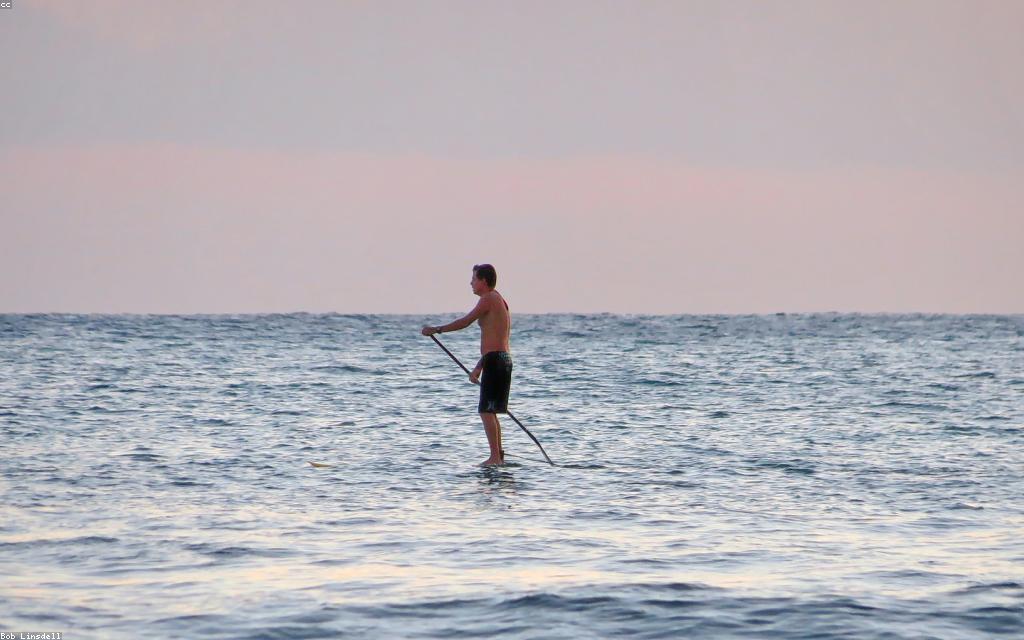
Waikiki holds a special place in surfing history, and its long, rolling waves are forgiving for beginners. The central beach is dotted with surf schools and instructors who can have first-timers standing up on a board within a single lesson. The waves here break gently and far from shore, giving learners a long, manageable ride. If surfing is on your list, this is one of the best places in the world to try it for the first time. Stand-up paddleboarding and outrigger canoe rides are equally accessible and offer a different way to experience the same beautiful water.

Sun Safety in the Hawaiian Climate

The tropical sun in Hawaii is stronger than many visitors expect, and sunburn can ruin a vacation within hours. Protecting your skin is not optional, and a few habits make a real difference:

  • Apply reef-safe sunscreen generously and reapply often, especially after swimming.
  • Seek shade during the most intense midday hours when the sun is directly overhead.
  • Wear a hat, sunglasses, and a rash guard or light shirt for extended water time.
  • Remember that you can burn even on overcast days, since clouds do not block all the rays.
  • Stay hydrated, because the heat and salt water draw moisture from your body faster than you notice.

Choosing reef-safe products also helps protect the marine environment that makes these waters so beautiful in the first place.

Respecting the Ocean and Marine Life

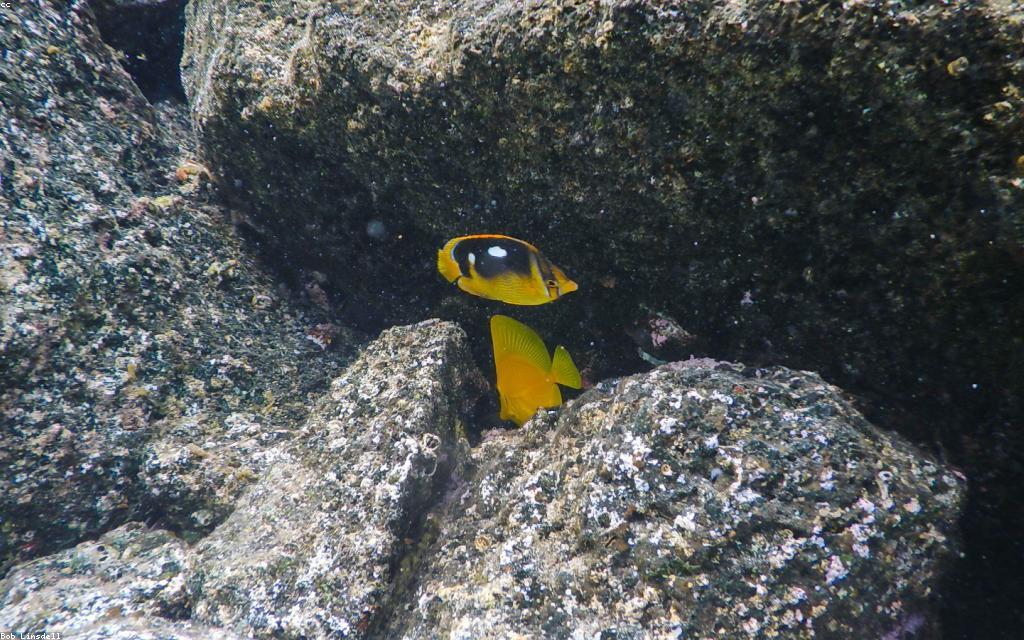
The waters around Waikiki are home to fish, sea turtles, and coral, and treating them with respect is both an ethical and practical matter. Hawaiian green sea turtles, known locally as honu, are protected, and visitors should observe them from a distance without touching or chasing. Coral is a living organism easily damaged by careless feet or hands, so avoid standing on it. Snorkeling near the reefs can be rewarding, but go gently and keep your distance from the marine life. The ocean here is a shared treasure, and small acts of care from each visitor add up to its preservation.

Practical Beach Logistics

A comfortable beach day depends on a few logistics that are easy to overlook. Public beach access points exist throughout Waikiki, and the sand itself is open to everyone, even in front of the grand hotels. Beach gear rentals, from chairs to umbrellas to boards, are widely available along the shore. Showers and restrooms are positioned at intervals, useful for rinsing off salt and sand before heading back to your hotel. Lockers and secure storage are worth seeking out, since leaving valuables unattended on the sand is never wise. Arriving earlier in the day rewards you with more space, easier parking if you drove, and calmer crowds.

Timing Your Beach Days

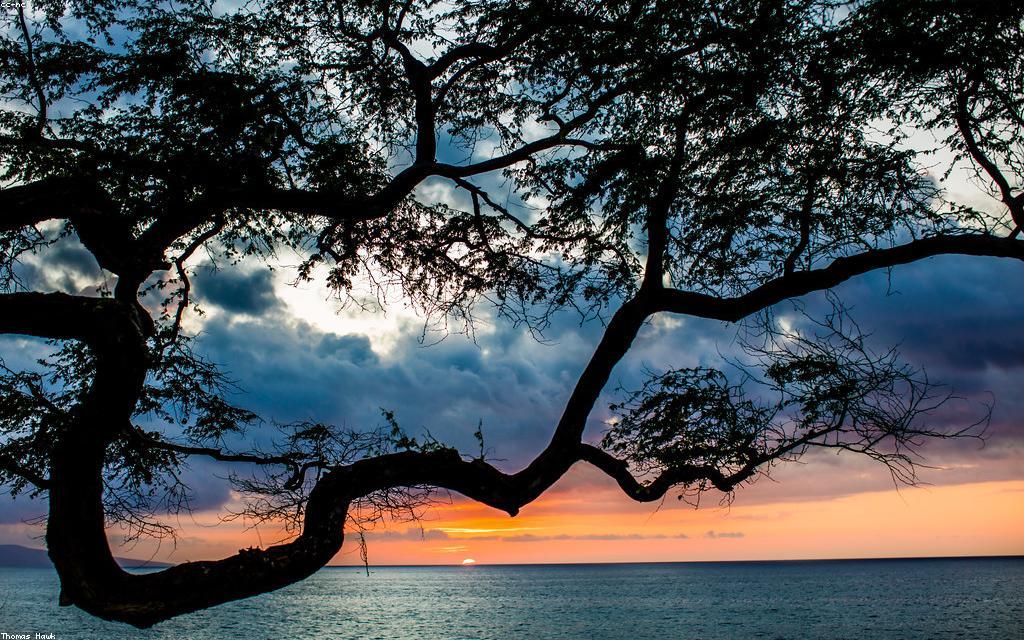
The rhythm of the beach changes through the day, and choosing your timing shapes the experience. Mornings tend to be calmer, cooler, and less crowded, making them ideal for swimming and surf lessons. Midday brings the strongest sun and the biggest crowds, so it is a sensible time to break for lunch or shade. Late afternoon and the approach to sunset bring softer light, a relaxed atmosphere, and some of the most beautiful views as the sky shifts colors over the water. Many visitors find that bookending their day at the beach with quieter morning and evening sessions, while escaping the harsh midday hours, gives them the best of Waikiki’s shoreline.

Making the Beach Your Own

Waikiki Beach can feel overwhelming on a first visit, with its crowds and its many activities competing for attention. The secret is to slow down, explore its different sections, and find the spot and the time of day that suit you. Whether you come to learn to surf, float lazily in warm water, watch the sunset, or simply sit with your feet in the sand and Diamond Head in view, this storied beach has room for the kind of day you want. Approach it with a little knowledge and a lot of respect, and it will reward you generously.

Eating Well in Waikiki: Finding Real Hawaiian Flavors Beyond the Tourist Traps

Waikiki is packed with places to eat, but quantity does not guarantee quality, and first-time visitors can easily spend a week dining at forgettable spots that exist purely to capture foot traffic. Hawaii has a rich and genuinely distinctive food culture, shaped by waves of immigration and an abundance of fresh local ingredients, and a little curiosity goes a long way toward eating memorably. This guide helps you navigate Waikiki’s dining scene and discover the flavors that make Hawaiian cuisine worth traveling for.

Understanding Hawaii’s Food Culture

Hawaiian food is a layered story of cultures meeting in the islands. Native Hawaiian traditions blend with Japanese, Chinese, Filipino, Portuguese, Korean, and other influences brought by generations of immigrants who came to work the plantations. The result is a local cuisine that is genuinely its own thing, distinct from any single ancestral tradition. Dishes like the plate lunch, with its scoops of rice and macaroni salad alongside a savory protein, embody this fusion. Before you dismiss a humble-looking spot, remember that some of the most beloved local food comes from unassuming places rather than polished dining rooms.

Dishes Every Visitor Should Try

Part of the joy of visiting Hawaii is tasting foods you cannot easily find elsewhere. A few standouts deserve a place on your list:

  • Poke, cubes of fresh raw fish seasoned and served in countless variations, is a local staple done exceptionally well here.
  • The plate lunch offers a filling, affordable introduction to local comfort food.
  • Loco moco, a hearty dish of rice topped with a burger patty, egg, and gravy, is pure local indulgence.
  • Shave ice, finely shaved and drenched in flavored syrups, is the quintessential Hawaiian treat on a hot day.
  • Malasadas, Portuguese-style fried dough rolled in sugar, make an irresistible snack.
  • Kalua pork, slow-cooked until tender, carries the smoky flavor of traditional Hawaiian cooking.

Sampling these gives you a real taste of the islands rather than a generic vacation meal you could have anywhere.

Spotting the Tourist Traps

Certain signs tend to indicate a restaurant that prioritizes capturing tourists over serving great food. Be wary of places with aggressive hosts trying to pull you in from the sidewalk, enormous laminated menus attempting to please every palate at once, and prime locations that charge a premium for the view rather than the cooking. This does not mean every busy, well-located spot is bad, but it does mean you should look closer. Reading recent reviews, noticing whether locals eat there, and being willing to walk a block or two off the main drag often lead to better and cheaper meals.

Where Locals Actually Eat

Some of the best food in and around Waikiki comes from places that cater to residents as much as visitors. Plate lunch counters, neighborhood poke shops, and family-run eateries frequently outshine the flashier tourist-facing restaurants in both flavor and value. Venturing slightly beyond the densest tourist blocks, perhaps toward the inland streets or into nearby neighborhoods, opens up a world of more authentic options. Food trucks and casual takeout spots are another reliable source of excellent, affordable meals. The willingness to eat where the food rather than the ambiance is the draw will repeatedly reward you.

Eating Well on a Budget

Dining in Waikiki can be expensive, but it does not have to be. Several strategies keep costs reasonable without sacrificing quality. Plate lunches and poke bowls offer substantial, satisfying meals at modest prices. Grocery stores and markets sell fresh local fruit, prepared foods, and snacks that make easy breakfasts or beach picnics. Many visitors find that splitting one good restaurant meal a day and keeping the others casual strikes a comfortable balance. Happy hour specials at some establishments also make higher-end dining more accessible if you are willing to eat earlier in the evening. The point is that eating well in Hawaii is not reserved for big spenders.

Fresh Fruit and Local Markets

Hawaii’s climate produces an abundance of tropical fruit, and tasting it at peak freshness is a simple pleasure no visitor should miss. Pineapple, papaya, mango, and lesser-known local varieties can be far more flavorful here than what you may have tried at home. Farmers markets, which appear in and around Honolulu on various days, are wonderful places to sample fresh produce, prepared local foods, and homemade treats while supporting island growers. Wandering a market with no particular plan, tasting as you go, is one of the most enjoyable and affordable ways to connect with Hawaii’s food culture.

Dining With Respect and Curiosity

Approaching Hawaiian food with genuine curiosity and respect enriches the experience for everyone. Many dishes carry cultural significance, and taking a moment to learn a little about what you are eating deepens your appreciation. Trying foods outside your comfort zone, asking questions politely, and being open to flavors and combinations that may be new to you are part of what makes travel rewarding. The local food scene is a point of real pride for residents, and engaging with it thoughtfully is a way of honoring the place you are visiting.

Building Your Own Food Map

The best way to eat well in Waikiki is to treat your meals as small adventures rather than afterthoughts. Identify a few must-try dishes before you arrive, keep a running list of spots that come recommended by recent and trustworthy sources, and stay flexible enough to follow a promising lead down a side street. Mix the occasional special meal with plenty of casual, local fare, and lean on markets and food trucks to round out your days. Done this way, your dining in Hawaii becomes one of the most memorable parts of the trip, full of flavors you will think about long after you return home.

Planning the Right Length and Season for Your Hawaii Trip

Two questions shape a Hawaii vacation more than almost anything else: how long to stay and when to go. Get these right and the rest of your planning falls into place naturally. Get them wrong and you may find yourself either rushing through a place that rewards a slower pace or paying peak prices for crowded weeks. This guide walks through how to think about trip length and timing so that your Waikiki-based vacation matches both your goals and your budget.

How Many Days Do You Really Need

The ideal length of a Hawaii trip depends on what you want from it, but a few honest benchmarks help. A very short trip of a few days can work if Waikiki itself is your focus and you are content with the beach, the food, and a single excursion or two. To explore more of Oahu, including the North Shore, the windward coast, and a major site like Pearl Harbor, you want closer to a week. Travelers hoping to visit more than one island need to add days for inter-island travel and the logistics that come with it. Building in some unstructured time is wise, because Hawaii rewards a relaxed pace and overpacking your itinerary undercuts the very escape you came for.

Understanding Hawaii’s Seasons

Hawaii enjoys pleasant weather year-round, but it does have seasonal patterns worth understanding. Broadly, the islands have a warmer, wetter season and a slightly cooler, drier season, though the differences are subtle compared to mainland climates. Ocean conditions also shift with the seasons, with larger surf arriving on certain shores at particular times of year. For Waikiki specifically, the south-facing beaches tend to stay relatively calm and swimmable across the year, which is part of why the area is so reliably pleasant for visitors regardless of when they come.

Peak Seasons and Crowds

Timing your visit around the busiest periods can dramatically affect both your experience and your wallet. The most crowded and expensive times tend to cluster around major holidays and school vacation periods. Consider the trade-offs across the calendar:

  • Winter holiday weeks and summer school breaks bring the largest crowds and highest prices.
  • Shoulder periods between peak seasons often offer a sweet spot of good weather and lighter crowds.
  • Traveling midweek rather than over weekends can ease both crowding and cost in some cases.
  • Major local events and festivals can spike demand in specific weeks, so it pays to check ahead.

If your schedule allows flexibility, aiming for the quieter shoulder periods frequently delivers the best overall value and a more relaxed atmosphere.

Weather Realities and What to Pack

While Hawaii’s weather is famously agreeable, it is not perfectly uniform, and brief rain showers are common, often passing quickly. Microclimates mean one part of the island can be sunny while another is damp, which is part of the islands’ charm. For a Waikiki-based trip you will spend most of your time in warm, sunny conditions, so light clothing, swimwear, sun protection, and comfortable walking shoes form the core of your packing. A light layer for cooler evenings or higher elevations, and perhaps a compact rain layer for passing showers, rounds things out. There is rarely a need to over-prepare for cold, since the climate stays mild throughout the year.

Balancing Budget Against Timing

The when of your trip influences the cost as much as anything. Flights and hotels surge during peak periods and ease during quieter weeks, so a flexible traveler can save meaningfully by shifting dates. Booking well in advance often secures better rates and availability, particularly for popular hotels, while last-minute deals are unpredictable and risky during busy seasons. If your budget is tight, building your trip around the lower-demand shoulder periods and reserving early gives you the best chance of stretching your money. Conversely, if specific dates are fixed for you, knowing they fall in a peak window lets you budget realistically rather than being caught off guard by high prices.

Matching Trip Length to Your Energy

An honest assessment of your own travel style helps you choose a length that leaves you refreshed rather than exhausted. Some travelers thrive on packed days of activities and sightseeing, while others need ample downtime to truly unwind. Hawaii accommodates both, but the magic of the islands often reveals itself in the slower moments: a long morning swim, an unhurried meal, an evening watching the sunset. If you tend to over-schedule, deliberately leaving gaps in your plan can transform the quality of your trip. A slightly longer stay with breathing room frequently beats a shorter one crammed with obligations.

Considering Jet Lag and Travel Time

Hawaii sits far from most mainland departure points, and the journey is long. Factoring travel fatigue into your plans is important, especially for the first day or two when you may be adjusting to the time difference. Planning a gentle arrival, with a low-key first day rather than an immediate big excursion, helps you settle in. Similarly, scheduling your departure thoughtfully, with a final morning to enjoy rather than a frantic rush, ends the trip on a better note. The time spent traveling to and from the islands is part of the equation when deciding how long to stay, since a very short trip can be dominated by the journey itself.

Bringing It All Together

Choosing the length and season of your Hawaii vacation is ultimately about aligning the trip with your priorities, your budget, and your temperament. Decide how much of the island or islands you genuinely want to see, be realistic about the pace you enjoy, and weigh the cost and crowd implications of your timing. When these pieces fit together thoughtfully, everything else, from booking your Waikiki hotel to filling your days, becomes far easier. A well-chosen length and season lay the foundation for a vacation that feels neither rushed nor wasteful, but exactly right.

Exploring Oahu Beyond Waikiki: Day Trips Worth Leaving the Beach For

Waikiki is a wonderful home base, but limiting your entire Hawaii trip to its beach and streets means missing the extraordinary variety that Oahu offers just beyond. The island packs dramatic coastlines, lush mountains, historic sites, and quiet towns into a surprisingly compact area, all within reach of a day trip from your hotel. This guide highlights the kinds of excursions that reward visitors willing to venture out, and how to approach them thoughtfully so that each trip enhances rather than exhausts your vacation.

The North Shore and Its Famous Coast

The North Shore is perhaps the most celebrated escape from the Honolulu side of the island, known worldwide for its powerful winter surf and laid-back surf-town atmosphere. The drive there takes you through pineapple country and into a landscape that feels worlds away from the bustle of Waikiki. In the cooler months, enormous waves draw surfers and spectators, while in calmer seasons the same beaches become gentle and swimmable. The town areas along the coast offer food trucks, shrimp plates, shave ice, and a slower rhythm that many visitors find utterly charming. A North Shore day is best approached unhurried, with time to stop at lookouts and beaches as they appeal to you.

Pearl Harbor and Historic Reflection

For travelers drawn to history, Pearl Harbor stands as one of the most significant sites in the country. Visiting the memorials and museums there is a moving experience that connects you to a pivotal moment in world history. The site requires some planning, as the most popular memorial often involves timed entry and can fill quickly, so arranging your visit in advance is wise. Allow ample time, since rushing through such a place does it a disservice. Many visitors find that a Pearl Harbor morning, followed by a quieter afternoon, makes for a balanced and meaningful day away from the beach.

The Windward Coast and Its Lush Beauty

The windward, or eastern, side of Oahu offers some of the island’s most striking scenery, where green cliffs rise dramatically behind calm bays and quiet beaches. This side feels lush and verdant, shaped by the rain that keeps it green, and the drive along the coast is itself a highlight. Small towns, roadside stands, and gentle beaches dot the route. The contrast with the drier, busier Honolulu side is stark and rewarding. Travelers who make the loop around to the windward coast often describe it as the part of Oahu that surprised them most, revealing a side of the island the postcards rarely capture.

Hiking and Natural Lookouts

Oahu rewards those who lace up their shoes and head into its hills and along its ridges. The island offers hikes for a range of abilities, from short walks to viewpoints to more demanding climbs. A few things make any hiking day go more smoothly:

  • Start early to avoid both the midday heat and the crowds at popular trailheads.
  • Bring plenty of water, sun protection, and proper footwear, since trails can be steep or slippery.
  • Check trail conditions in advance, as rain can make some paths muddy and hazardous.
  • Respect any closures, private property, and posted guidance, which exist for good reasons.
  • Allow time to simply enjoy the views rather than rushing to finish.

Even a modest hike to a scenic overlook can become a highlight of a trip, offering perspectives on the island that you simply cannot get from the beach.

Snorkeling and Marine Encounters

Beyond Waikiki’s shores lie spots renowned for their clear water and abundant marine life. Protected bays and reefs around the island offer some of the best snorkeling in Hawaii, where colorful fish and the occasional sea turtle reward those who venture in. Some of these sites are popular and can be crowded, so arriving early helps, and certain protected areas may require reservations or have visitor limits designed to safeguard the ecosystem. Approaching marine environments with care, using reef-safe sunscreen, and keeping a respectful distance from wildlife ensures these places remain beautiful for future visitors.

Planning Day Trips Without Burning Out

The temptation to cram every excursion into a short trip is strong, but it often backfires. Each day trip involves travel time, and stacking too many in a row leaves little room to actually savor them or to rest. A wiser approach is to alternate active days exploring the island with relaxed days closer to Waikiki, allowing your trip to breathe. Choosing two or three meaningful excursions over the course of a week, rather than attempting everything, almost always produces a more satisfying vacation. Quality of experience beats quantity of checkboxes when it comes to lasting memories.

Getting to These Destinations

How you reach these spots depends on your transportation choices. Some destinations, like Pearl Harbor, are well served by public transit and organized tours, making them accessible even without a car. Others, particularly remote beaches, trailheads, and the full island loop, are far easier with a rental vehicle. Many visitors rent a car for just the day or two they plan to explore widely, avoiding the cost of parking it at their hotel the rest of the time. Guided tours offer another option, handling the logistics and adding local knowledge, which can be especially valuable for first-time visitors who prefer not to drive unfamiliar roads.

Letting the Island Surprise You

The greatest reward of exploring beyond Waikiki is discovering that Oahu is far more varied and surprising than its famous beach suggests. The dramatic cliffs of the windward coast, the powerful surf and easygoing towns of the North Shore, the solemn history of Pearl Harbor, and the green trails of the interior all reveal an island of remarkable depth. By choosing a few excursions thoughtfully, pacing yourself, and remaining open to the unexpected, you transform a beach vacation into a genuine encounter with Hawaii. Waikiki may be where you sleep, but the island beyond is where much of the magic waits to be found.

Traveling Respectfully in Hawaii: Understanding Local Culture and Etiquette

Hawaii is more than a beautiful vacation destination. It is a place with a living culture, a complicated history, and a community of residents who call these islands home year-round. Visitors who take the time to understand and respect that reality not only become better guests but also have richer, more meaningful trips. This guide offers an honest look at how to travel through Hawaii, and Waikiki in particular, with the awareness and respect that the islands and their people deserve.

Recognizing Hawaii as a Real Place, Not Just a Resort

It is easy, amid the hotels and beaches, to think of Hawaii purely as a playground. But the islands have a deep history, a distinct indigenous culture, and ongoing social and environmental challenges. Native Hawaiian traditions, language, and values remain vital threads in the fabric of island life. Approaching your visit with the understanding that you are a guest in someone’s home, rather than a consumer of a product, changes how you behave in countless small ways. This shift in mindset is the foundation of respectful travel, and it tends to make the experience more rewarding as well.

The Spirit of Aloha and What It Means

The word aloha is far more than a greeting. It carries connotations of love, compassion, and mutual respect that run deep in Hawaiian culture. Visitors who treat aloha as merely a souvenir slogan miss its significance. Embracing the spirit of aloha means moving through your trip with patience, kindness, and humility. It means greeting people warmly, being gracious when things move at a slower island pace, and recognizing the generosity with which you are welcomed. When you carry that spirit with you, your interactions with residents become genuine exchanges rather than transactions.

Respecting the Land and Sacred Sites

Many places in Hawaii hold deep cultural and spiritual significance, and not every beautiful spot is simply a photo opportunity. Sacred sites, cultural landmarks, and natural areas deserve particular care. A few principles guide respectful behavior:

  • Heed signs and barriers, which often protect places of cultural or spiritual importance.
  • Never remove rocks, sand, or natural objects, both out of respect and because it harms the environment.
  • Stay on marked trails and designated areas to avoid damaging fragile ecosystems.
  • Ask permission and be considerate when photographing people or ceremonies.
  • Treat cultural demonstrations and practices as meaningful traditions, not performances staged solely for tourists.

These small acts of consideration show that you understand you are a visitor in a place that matters to others.

Protecting the Natural Environment

Hawaii’s natural beauty is fragile, and the pressure of millions of visitors takes a real toll. Doing your part to protect the environment is both a responsibility and a way of giving back to the place that hosts you. Using reef-safe sunscreen protects the coral that makes the water so beautiful. Keeping a respectful distance from wildlife, including sea turtles and other protected species, helps preserve their natural behavior. Carrying out your trash, minimizing single-use plastics, and being mindful of water use all contribute. The islands’ ecosystems are precious and, in many cases, found nowhere else on earth, making their protection a genuinely meaningful effort.

Interacting With Local Communities

Beyond the resort zones, Hawaii is full of neighborhoods, small businesses, and communities of people living ordinary lives. Being a considerate visitor means treating these spaces and people with the same courtesy you would want in your own hometown. Supporting locally owned businesses, restaurants, and artisans keeps your money in the community and connects you to authentic island life. Being patient and friendly, learning a few words of the Hawaiian language, and showing genuine interest in the culture all go a long way. Avoid treating residents as part of the scenery; they are your hosts, and basic respect costs nothing while meaning a great deal.

Understanding Pace and Patience

Life in Hawaii often moves at a gentler pace than visitors from busy mainland cities are used to, and this is not a flaw to be impatient with but a quality to appreciate. Service may be unhurried, traffic may move slowly, and plans may unfold more loosely than you expect. Rather than letting this frustrate you, lean into it. The slower rhythm is part of what makes the islands restorative. Bringing patience and a relaxed attitude not only makes your own trip more pleasant but also signals respect for the way of life you have come to enjoy.

Learning a Little Before You Go

A modest amount of preparation deepens your appreciation enormously. Reading about Hawaiian history, learning the meaning of common words and place names, and understanding the cultural significance of practices you may encounter all enrich your experience. When you know that a place has a story, you see it differently. When you understand the history behind a site, your visit carries more weight. This kind of curiosity is itself a form of respect, showing that you value the destination as more than a backdrop for your vacation photos. The effort is small, and the payoff in meaning is large.

Leaving a Positive Mark

Ultimately, respectful travel comes down to a simple question: what kind of guest do you want to be? You can pass through Hawaii taking only what you want and leaving behind nothing but crowds and wear, or you can travel in a way that honors the place, supports its people, protects its environment, and carries the spirit of aloha. The latter requires only awareness and a little care, and it transforms your trip from a transaction into a genuine connection. The islands give visitors so much. Approaching them with respect is the least, and the best, that any traveler can offer in return.